Once bets are placed on the betting surface, the dealer gives the wheel a spin to commence a game of roulette. After that, players release the ball onto the rotating wheel and watch to see where it lands. Roulette provides numerous betting choices, such as wagering on a specific number, a group of numbers, or the hue of the pocket where the ball will stop. Before getting started, beginners should get to know the best roulette tactic fundamental guidelines and tactics of the game.
Also, because roulette can be an addictive game, it's important to establish and follow a spending limit. Before playing for real money, new players can build their confidence and improve their gameplay by learning the fundamentals of the game and practicing with no-cost games online. Although roulette is a chance-based game, there are still methods you can employ to increase your likelihood of success. A commonly used tactic is the Martingale method, which has you increasing your stake twofold after a defeat.


Apart from these methods of wagering, there exist other various hints and tactics that players can utilize to increase their likelihood of victory when playing roulette. Choosing the European version of roulette over the American variant is a key suggestion because the European version has marginally better odds since it doesn't include a double zero slot. Favor bets with even odds, like betting on red or black, as these have the most favorable chances. This is another piece of advice. It's essential to set and keep personal limits.
This means setting a financial cap for the amount of money you are willing to spend on roulette and sticking to it, as well as a play time boundary for how extended your gameplay will be. Moreover, it's critical to understand when to quit since trying to recover lost funds can lead to bigger losses. Keeping firm personal boundaries helps players prevent falling into addictive habits. Developing good financial planning strategies is a key strategy for roulette. To remain in the game despite setbacks, this involves staking a fraction of your available funds on each game.
Being aware of when to stop is also important, particularly if you are on a losing streak. Players who plan their wagers carefully can avoid going broke in a brief duration. Since the basis of roulette is rooted in math and chance, players can improve their skills by learning about these principles. In roulette, the kind of wager made determines the probability of winning. For example, there is a lower probability of success when selecting an individual slot, but the reward is high when it comes through.
On the other hand, even money wagers, like those on black or red, have a higher chance of winning but a reduced winnings. Comprehending roulette probabilities can also help bettors in placing smarter bets. For instance, because the European version of roulette does not have a double zero slot, the likelihood of a favorable outcome are a bit improved than in the American version. Players can boost their winning probabilities by betting more strategically by being aware of these odds.
There are mathematical concepts that can be applied to roulette in addition to the basics of chance. According to the theory of large outcomes, for example, every compartment of the wheel should appear an equal number of times over an uncountable series of spins. It gives some knowledge into the extended chances of roulette, although it does not guarantee that every number will come up in the near future.
Advanced strategies are offered to gamblers with higher skills to help them elevate their performance. Studying wheel imbalances is one sophisticated strategy that entails examining the wheel to identify biases that might alter the results. If successful, this strategy can result in significant gains, but it also requires a sharp eye and a lot of patience. Observing ball behavior is an additional sophisticated strategy that foresees the ball's resting place by utilizing sight-based signals like the wheel and ball's speeds.
If well-practiced, this method can be extremely accurate, but it does call for a considerable skill and proficiency. While most casinos forbid their use, there are tools and devices that can be utilized to assist with visual ballistics. To improve your chances of winning at roulette, you can apply betting systems in alongside these techniques. A widely-used wagering method is the Fibonacci method, which entails placing bets on a series of numbers where each number is equal to the sum of the two numbers that came before it.
Another commonly used betting approach is the Labouchere method, which involves recording a number sequence and wagering based on this sequence. Roulette can offer excitement and rewards, it's crucial to practice safe betting & effectively manage your bankroll. This means setting limits for the total budget for gambling & the time allocation for betting.
It also requires knowing when to stop if you are experiencing financial losses because betting to recoup money can lead to bigger setbacks. It's important to resist increasing bets to recover lost money, which is when you increase your wagers in an effort to win back your losses. This can quickly get out of control and lead to substantial financial problems. You can avoid this issue and manage your gambling by setting and sticking to your personal limits.
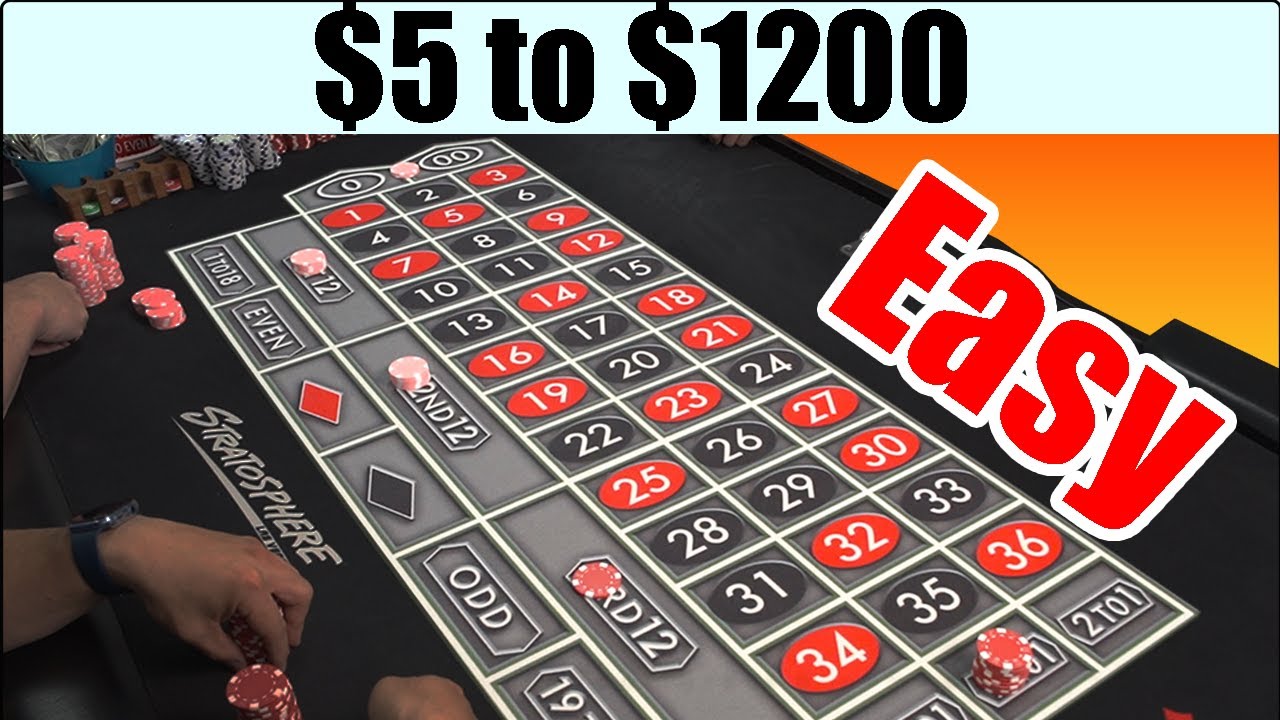
Roulette players can improve their skills and improve their odds by learning the fundamentals of the game and practicing prudent bankroll management. Also, it's essential to bet responsibly and know when to seek help if your betting becomes an issue. Players can unleash their inner gambler & up their game at the roulette table by remembering these insights and tactics.
FAQs
How is roulette played?
Roulette is a widely-played casino game where players bet money on a single number, multiple numbers, the colors red or black, the number's parity, or if the numbers are in the high range or low (1–18).
What are some basic roulette tactics?
Some basic roulette strategies include placing bets on red or black, odd or even, or high or low numbers to boost your odds. Players can also implement the Martingale betting strategy, where they increase their stake twofold after every loss.
Can you explain the Martingale method?
The Martingale system is a common betting strategy where the player increases their wager twofold after every loss, with the objective of gaining back lost money and making a small win.
Are there any other popular roulette tactics?
Other popular roulette tactics consist of the D'Alembert system, the Fibonacci strategy, and the Labouchere betting style. These techniques involve adjusting bet sizes based on previous outcomes to try to increase the chances of winning.
Can you win at roulette every time?
The short answer is no, there is no guaranteed way to win at roulette. The game is rooted in randomness, and while tactics and strategies can help improve the odds, there is always a possibility of loss. It's important to gamble responsibly and within your means.